By Sofia
October 26, 2026
Modern design is an ever-evolving field that embraces a variety of materials and techniques to create stunning and functional spaces. Among the most popular materials used today are natural stone, wood products, and porcelain, each bringing unique qualities and benefits to interior and exterior design projects. Keep reading for an in-depth exploration of how these materials can be collectively harmonized in contemporary designs to enhance aesthetics, functionality, and sustainability.
Understanding the Unique Qualities of Each Material
Natural Stone: Characteristics and Benefits
Natural stone is revered for its impressive durability and timeless beauty, making it a favored choice in both traditional and modern designs. Whether used on floors, walls, or countertops, stones like marble, granite, and limestone add an element of luxury and sophistication to any space. The unique patterns and colors found in natural stone are unmatched, lending each installation a bespoke quality. In addition to aesthetic appeal, natural stone is known for its longevity and resistance to wear and tear. Utilizing natural stone alongside luxury tile in design projects not only elevates visual interest but also increases the durability and resale value of the property.
Wood Products: Versatility and Warmth
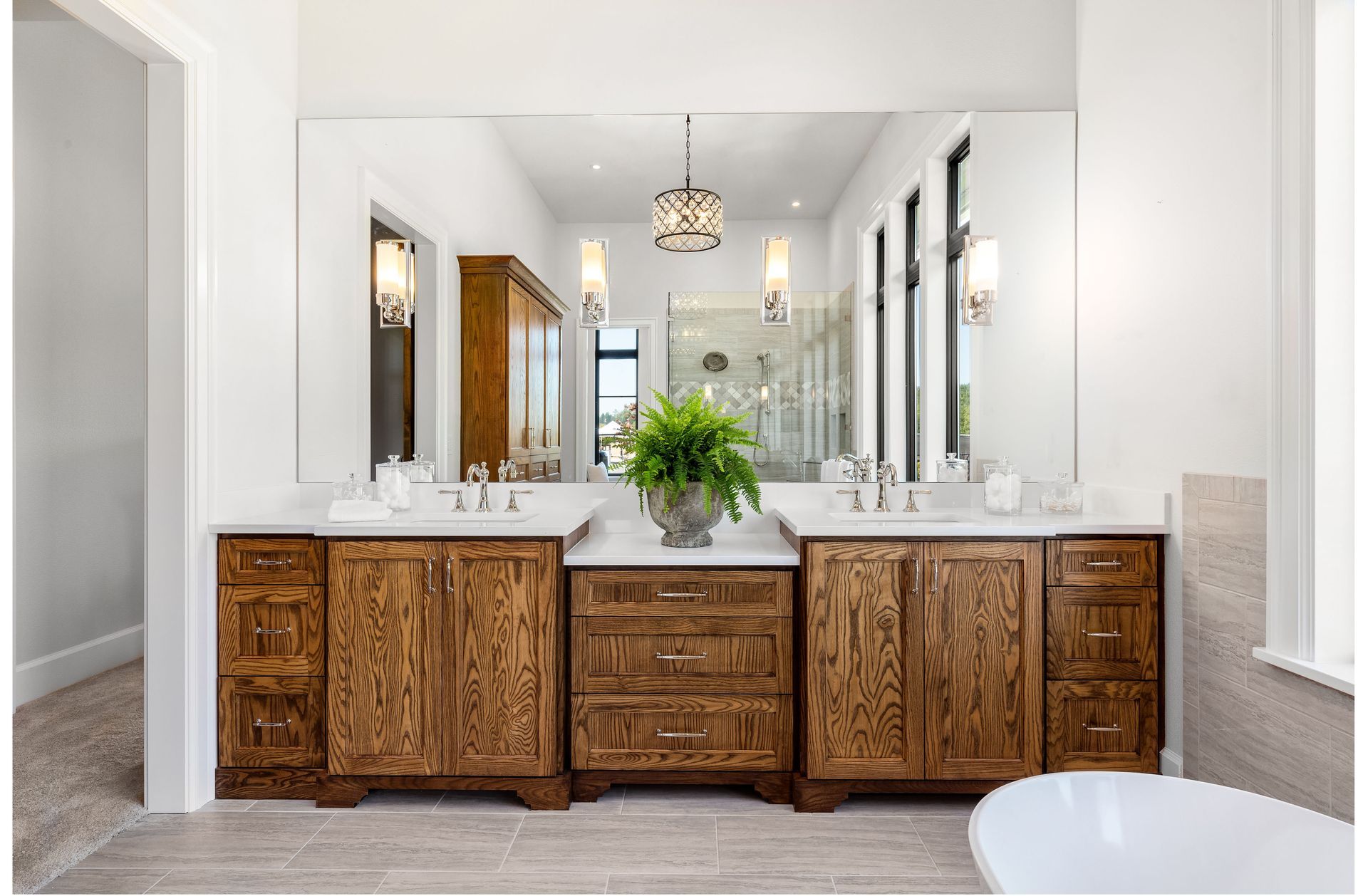
Wood products are unrivaled in their ability to introduce warmth and comfort into any environment. The versatility of wood allows it to be used across various design elements, from flooring and furniture to wall treatments and decorative accents. Its natural grain and color variability provide designers with a wide array of choices to complement diverse design themes. Wood's ability to be painted, stained, or left in its natural state offers endless customization possibilities. Furthermore, wooden elements can soften the harder surfaces of stone and porcelain, creating a more inviting and balanced space.
Porcelain: Durability and Style
Porcelain is a standout material in modern design due to its sleek appearance and robust performance. Its non-porous surface makes it highly resistant to stains and moisture, ideal for kitchens and bathrooms where cleanliness is a priority. Premium porcelain options function as an exceptionally resilient luxury tile, mimicking the appearance of other materials, such as stone and wood, to provide design flexibility without sacrificing durability. The material's ability to withstand high traffic and fluctuations in temperature further enhances its suitability for both indoor and outdoor applications. According to the National Association of Realtors, bathroom renovations featuring updated surfaces and premium finishes, including porcelain, provide an ROI of over 70%, reflecting its significance in property value enhancement.
Comparative Analysis of Materials
The complementary nature of natural stone, wood, and porcelain allows them to be used in tandem in modern design projects. While natural stone offers durability and luxury, wood contributes warmth and versatility, and porcelain provides a sleek, easy-to-maintain surface. Incorporating high-grade luxury tile into these schemes allows designers to bridge style gaps across wet areas and main living spaces seamlessly. When combined strategically, these materials can create a layered and dynamic look that enhances both the visual and functional appeal of any space. Designers often make decisions based on the specific requirements of a project, with considerations for aesthetic harmony and material performance. Each material's strengths can be highlighted by carefully selecting the application that best showcases its qualities, creating a cohesive and balanced environment.
Sustainability Considerations
Incorporating sustainable practices in design is now a priority for many professionals, with an emphasis on reducing environmental impact. Natural stone is recognized for its durability and longevity, which minimizes the need for replacement and reduces waste. Sustainable sourcing and the preference for locally quarried stone further contribute to eco-friendly practices. Wood products are increasingly sourced from renewable resources and certified sustainable forests, bolstering their reputation in green design. Advances in the production of porcelain have also been made, establishing sustainable luxury tile manufacturing that emphasizes energy-efficient processes and material recycling.
Applications in Modern Interior Design
Creating Accent Walls
Accent walls using natural stone, wood, and porcelain can dramatically shift the focal point of an interior space. These materials can be used to create textural contrasts, with stone providing a rugged, natural look, wood adding warmth, and porcelain offering a sleek finish. Incorporating textured luxury tile into vertical installations elevates the architectural depth of fireplaces and feature walls. A well-designed accent wall not only enhances visual interest but also sets the tone for the rest of the room. By balancing these materials in a complementary color palette, designers can create spaces that are both cozy and sophisticated. Accent walls serve as a canvas for showcasing the unique characteristics of each material, drawing attention to their distinct beauty.
Flooring Solutions
The choice of flooring is crucial in modern interior design, impacting both aesthetics and functionality. Natural stone floors are celebrated for their elegance and coolness underfoot, making them suitable for both residential and commercial settings. However, wood flooring offers an inviting warmth and can be refinished to adapt to changing design trends. Specifying large-format luxury tile stands out for its resilience and ease of maintenance, especially in high-traffic zones. By combining these materials in strategic areas, designers can optimize the performance and visual appeal of the flooring, ensuring it complements other design elements within the space.
Countertops and Surfaces
Countertops and other surfaces are pivotal design elements in kitchens and bathrooms, demanding both strength and style. Granite and quartz stone countertops are popular for their robust nature and stunning appearance, with each slab offering unique veining patterns. Wood surfaces introduce warmth and a natural touch, suitable for areas where less wear is expected. On the other hand, porcelain provides a contemporary look with its capacity to imitate various textures and finishes. Integrating durable luxury tile across backsplashes and vertical surrounds creates an easy-to-clean barrier that unifies kitchen and bath surfaces seamlessly.
Furniture Integration
Furniture is another key aspect to consider when blending natural stone, wood, and porcelain in design. Stone tabletops can serve as striking statement pieces in dining and living rooms, offering durability and a polished appearance. Wooden furniture provides versatility and can be customized to suit various styles, from minimalistic to ornate, contributing to the room's warmth. Porcelain, often used for tabletops and decorative pieces, offers a sleek aesthetic that complements modern furniture designs. By integrating these materials thoughtfully, designers can achieve a harmonious balance that enhances the overall cohesiveness of interior spaces.
Innovative Lighting Fixtures
Lighting plays a crucial role in how materials are perceived, and incorporating natural stone, wood, and porcelain into lighting fixtures can create stunning effects. Stone can diffuse light softly, casting gentle shadows and highlighting its textures, while wood can add warmth to a room through its organic appearance. Porcelain, with its smooth finish, can reflect or diffuse light elegantly, depending on the fixture's design. Combining these materials in lighting fixtures can add layers of texture and depth to a room, amplifying its visual appeal. Through innovative lighting design, spaces can be transformed, bringing out the unique qualities of each material.
Harmonizing natural stone, wood products, and porcelain allows designers and homeowners to create modern environments that seamlessly blend strength, warmth, and effortless maintenance. By strategically pairing the organic luxury of stone, the welcoming texture of natural timber, and the resilient performance of porcelain, any space—whether a high-traffic interior or an outdoor living retreat—can achieve a sophisticated visual balance without sacrificing everyday functionality. As sustainable manufacturing and responsible sourcing continue to evolve, these core materials remain a timeless investment for elevated, enduring design—contact Elements and Surfaces today to schedule your showroom visit and receive a free quote from our expert team.